

An answer isn’t understanding.
AI can complete an assignment without a student understanding it.
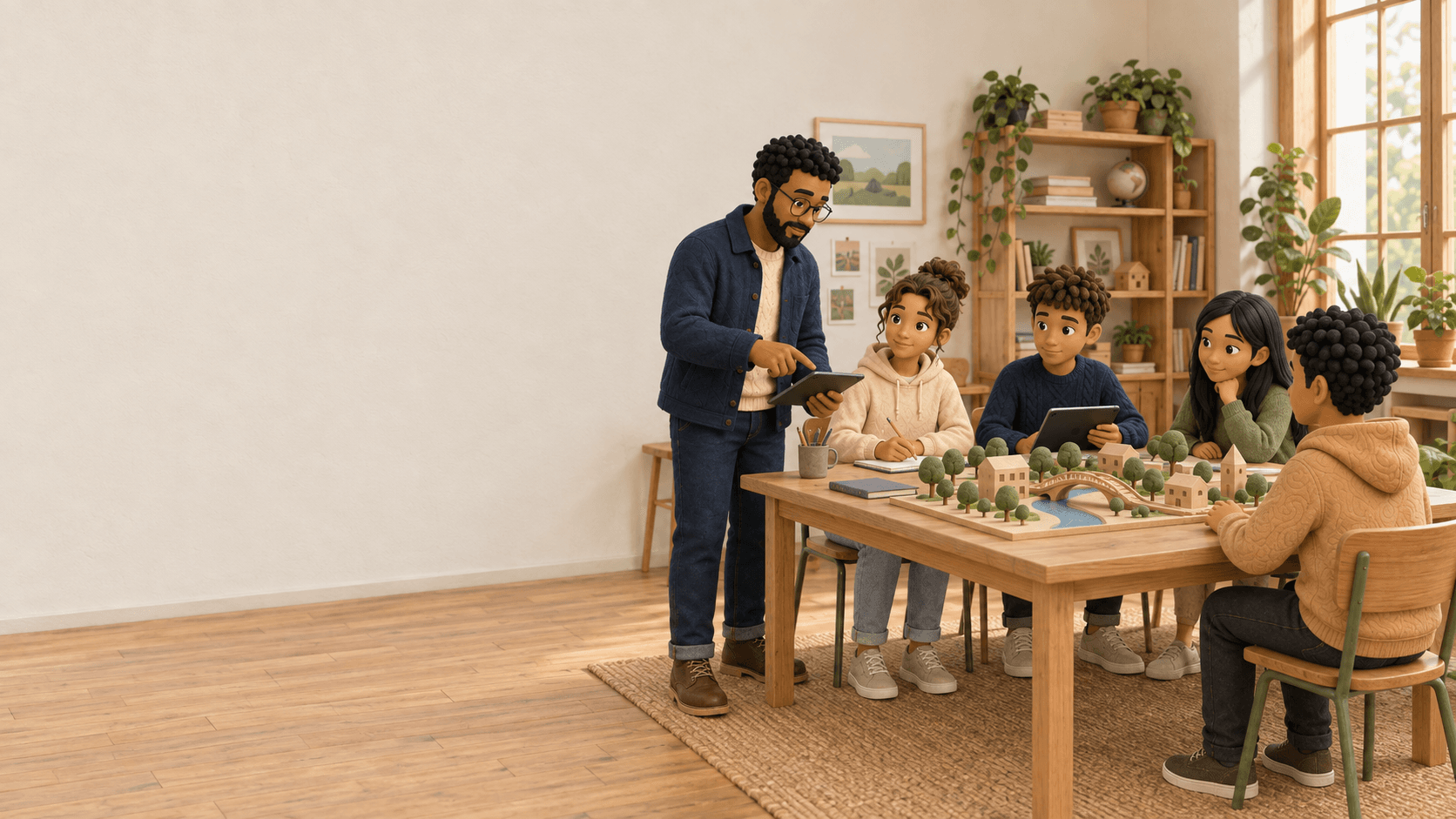
Dwyl helps educators design ambitious projects, guide students through the work, and make growth visible
AI can complete an assignment without a student understanding it.
AI will shape work and everyday life. Students need the skills to navigate both.
Our value increasingly lies in creativity, communication, collaboration, and judgment.
We believe the most powerful learning happens when we tackle real, meaningful problems: challenges that stretch us beyond our comfort zone, with the tools and guidance to move forward and an outcome that matters.
Students deserve more of that kind of learning. Real-world projects give knowledge a purpose and create room to practise creative problem solving, communication, and collaboration.
Hover, focus or tap a part of the loop to explore how Dwyl helps.
Learning goals from the national or international curriculum your school follows.
Prior understanding, personal interests, and support needs.
Project duration, roles and support for each student.
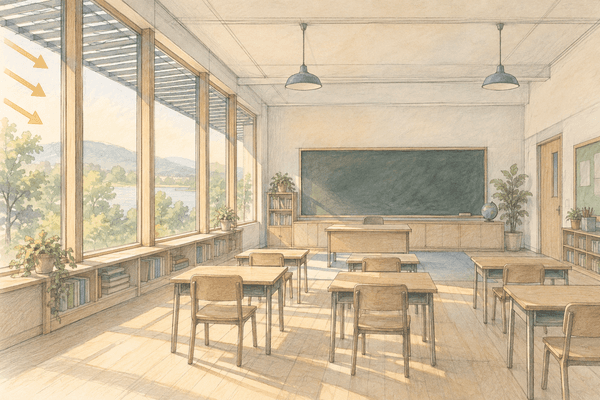
Our classroom gets too warm. Investigate why, explore changes to materials and shade, and propose a more comfortable space. Use test results and stakeholder input to explain your choices.
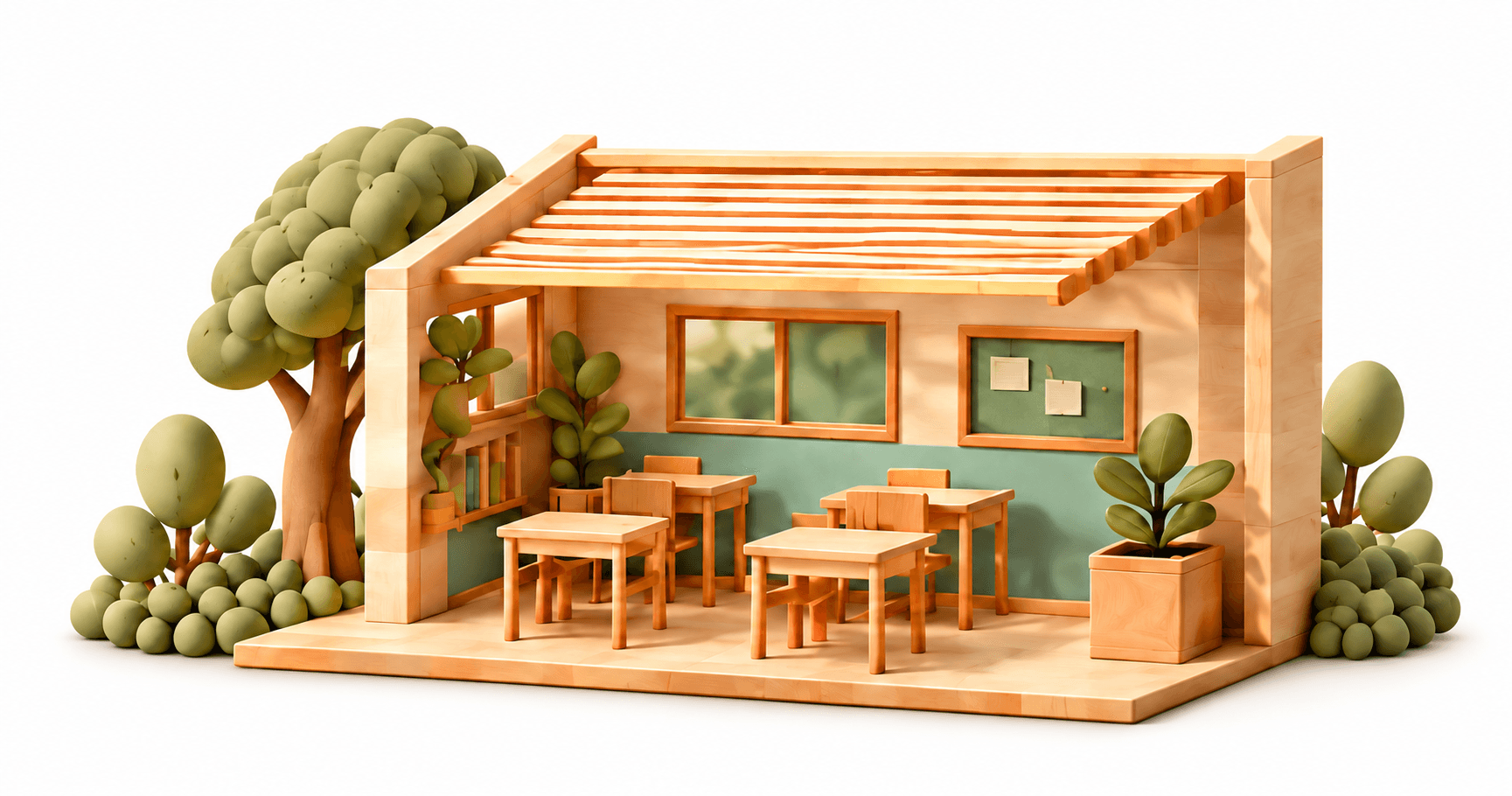

Daylight, comfort and maintenance.

Shade and materials.
 Eileen
We’re designing one connected workspace. The work—and its learning evidence—stay together.
Eileen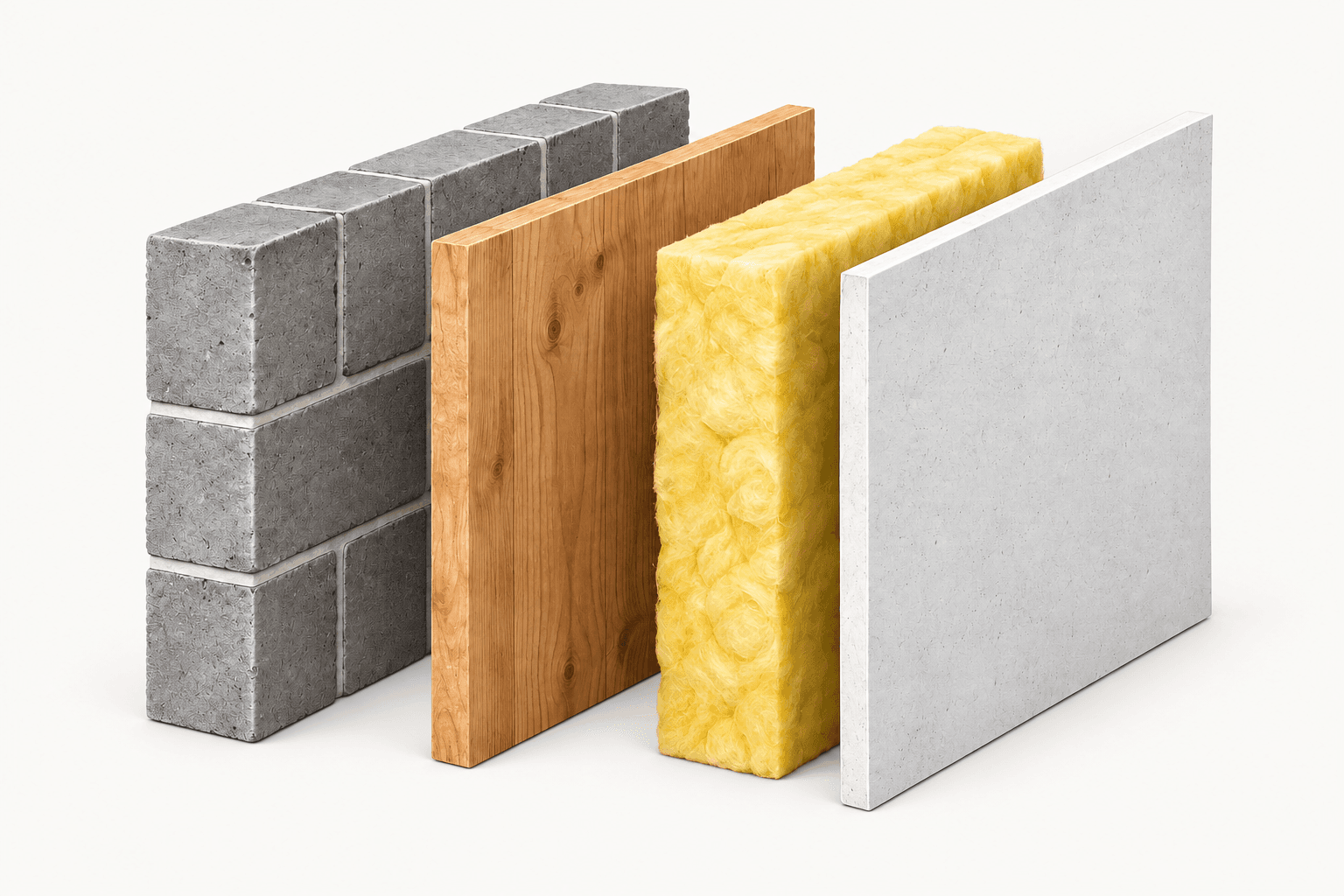

Heat moves from warmer places to cooler ones. Insulation slows that transfer.
A material’s structure, pockets of still air and layer thickness all affect heat transfer.
Which of the four layers do you think will best keep the classroom cool? Explain your prediction.
what they learn.
Dwyl gathers the discussions, drafts and decisions as students work, helping you see what each learner understands and how their skills develop.
Less time searching through the work. A richer basis for your professional judgment and more personal feedback.
 Cynthia
Thermal energy — Her revised explanation traces energy from the warmer surroundings into the cooler model classroom, rather than describing “cold escaping”.
Heat transfer — She distinguished conduction through a wall from incoming solar radiation when annotating the two designs.
Insulation — She used the trapped air in mineral wool to explain why it slows heat transfer, and compared it with timber and brick in her materials table.
Solar gain — She linked the afternoon temperature peak to sunlight through the windows and explained how external shade reduces that incoming energy.
View gathered evidence
Design — Cynthia proposed testing two otherwise identical model classrooms side by side, changing only the cooling approach. Both were measured at the same times, with matched starting temperatures and sensor positions.
Collection — She created a shared log for temperature, time and weather, and repeated paired measurements in the morning, afternoon and evening across warmer and cooler days over two weeks.
Analysis — Cynthia plotted both temperature curves and compared the differences within each paired trial. She flagged days when the pattern changed instead of relying on one average, then linked the afternoon peaks to solar gain. Her chart helped the team weigh cooling performance against daylight and cost.
View gathered evidence
Finding common ground — Alex favoured thicker panels; Sam preferred shade. Cynthia set out the benefits, drawbacks and estimated costs of both, checking them against the project’s budget and daylight requirements. Both remained viable, but their cooling performance was uncertain. She proposed a parallel trial and helped the team agree what evidence would guide their choice.
CynthiaBoth fit our constraints. What do we still need to find out?
View gathered evidence
Short reflections on subjects and peer feedback help students make sense of learning as it unfolds.
Students explain the thinking behind their choices.
Students notice what helps them learn and where they need support.
Students practise giving specific, useful feedback.
How do insulation and tree shade affect heat transfer differently?
What are you enjoying? What is getting in your way?
How clearly does this explain the design choice? Point to one example.
Pause, explain, listen—and take the next step with more understanding.
on what matters.
One shared project record can tell different, useful stories.
A personal picture of progress: what you have learned, work you are proud of, and a next step you can own.
For students
Evidence that helps you plan the next conversation, offer timely guidance, and write a considered account of progress.
For teachers
Updates that bring learning home: a project highlight, something your child is working through, and a question to ask over dinner.
For parents and families
Inspiring project highlights that make the school’s educational ambition tangible, celebrate the work, and spark ideas across the teaching team.
For schoolswhat they love.
Dwyl.studio is still being built. We want educators and school leaders to help shape the decisions while they can still change.
What would make ambitious project learning easier to lead? Which challenges would stretch your students? What would you need to see in a report to know how to help?
If those questions matter to you too, we would value your perspective.
Early access is an invitation to contribute. It is not a promise of immediate access to a finished platform or proven classroom outcomes.
Both. We are shaping Dwyl.studio to help an educator structure a first real-world project or bring more continuity to an established practice. It supports planning and reflection; it does not remove the need for teacher expertise or professional learning.
Read more: Real-world learning in the AI era
The intended model is hint-led and question-led. AI can prompt reflection, surface a useful next step, and help students examine their reasoning. Direct-answer tutoring and shortcuts around meaningful work are outside the model.
Educators remain the leaders of learning. We are designing for teacher review, editing, approval, override, visible evidence, and a clear route back to human judgment before AI-supported material reaches students.
Read more: Why meaningful educational AI must remain teacher-led
Project design begins with learning goals and curriculum context. Educators decide the standards, evidence, and evaluation that matter; Dwyl.studio is intended to help keep those decisions connected through the project journey.
Drafts, decisions, feedback, reflection, revision, and teacher interpretation can show how learning develops over time. Quantitative evidence can still matter, but it stays alongside the qualitative story of the work.
This public site currently collects only the details people choose to share when registering interest. Future classroom-data practices will be purpose-limited and reviewed before publication. Read our privacy page for the current, reviewed information.
Read privacy informationNo. Technology should support real projects, collaboration, feedback, and teacher response—not replace meaningful activity with more automated practice.
Dwyl.studio is being built with educators and is not generally available. Educators can register for early access, and school leaders can start a separate conversation about future collaboration.









 Learning goals completed