Build a future-ready learning model for your school.
Explore how curriculum-led, real-world projects could help students apply their knowledge, think independently and make their progress visible. Start with a small, supported pilot shaped around your school’s goals, with educators guiding the learning and deciding how AI can contribute.

What could this change for your school?
Give your school stories worth sharing.
Turn the projects from your pilot into school success stories. Share them to attract new students and reassure current parents with visible examples of learning and growth.
Bring the learning journey into newsletters, open evenings and parent conversations: the question students started with, the choices they made and the work they are proud to explain.
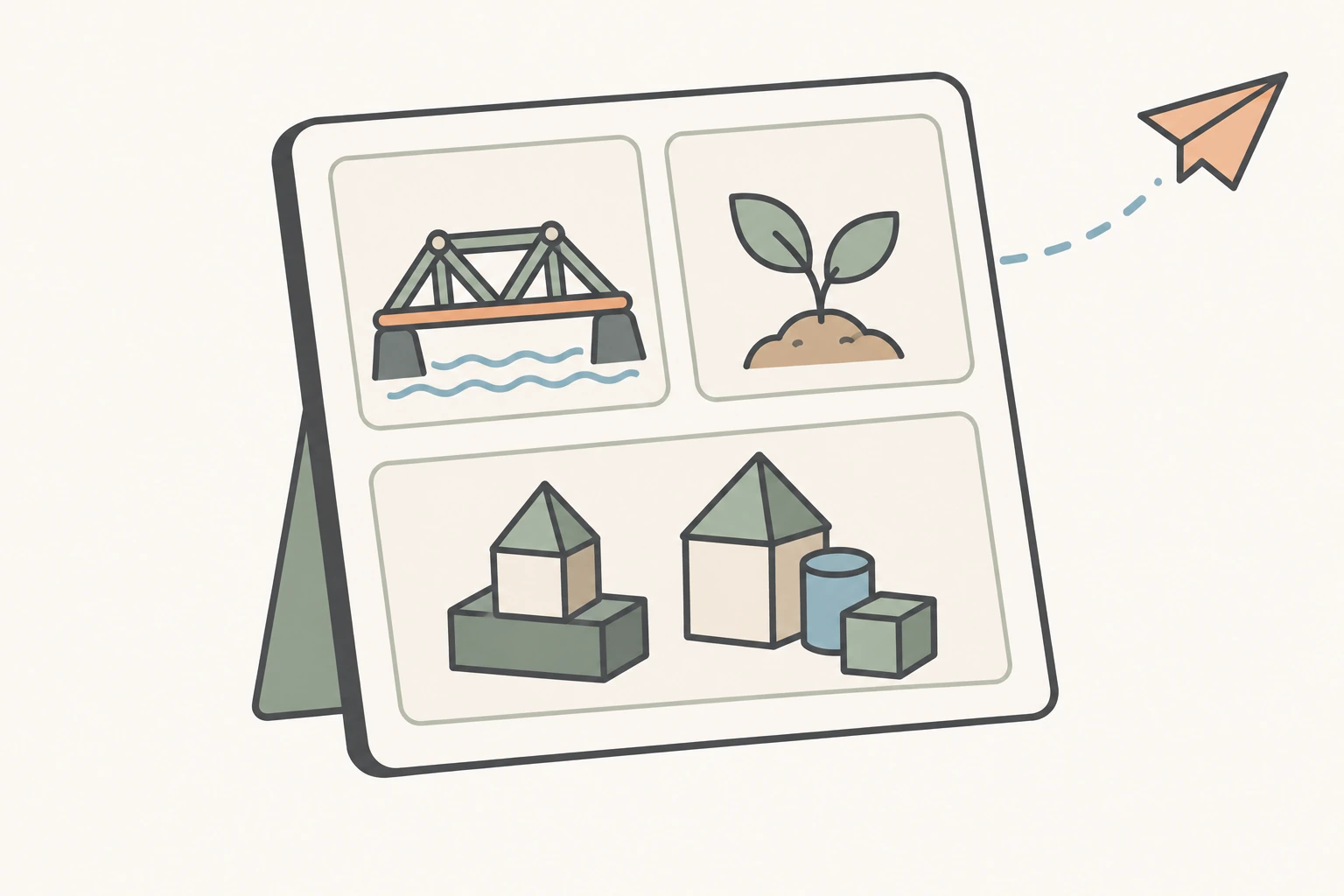
Increase student engagement.
Give students a reason to care about what they learn. Connect curriculum goals to real-world projects they can build, test and share.
Make room for students to ask questions, try an approach and improve it together. A project gives subject knowledge a purpose, with teachers keeping curriculum goals in view.
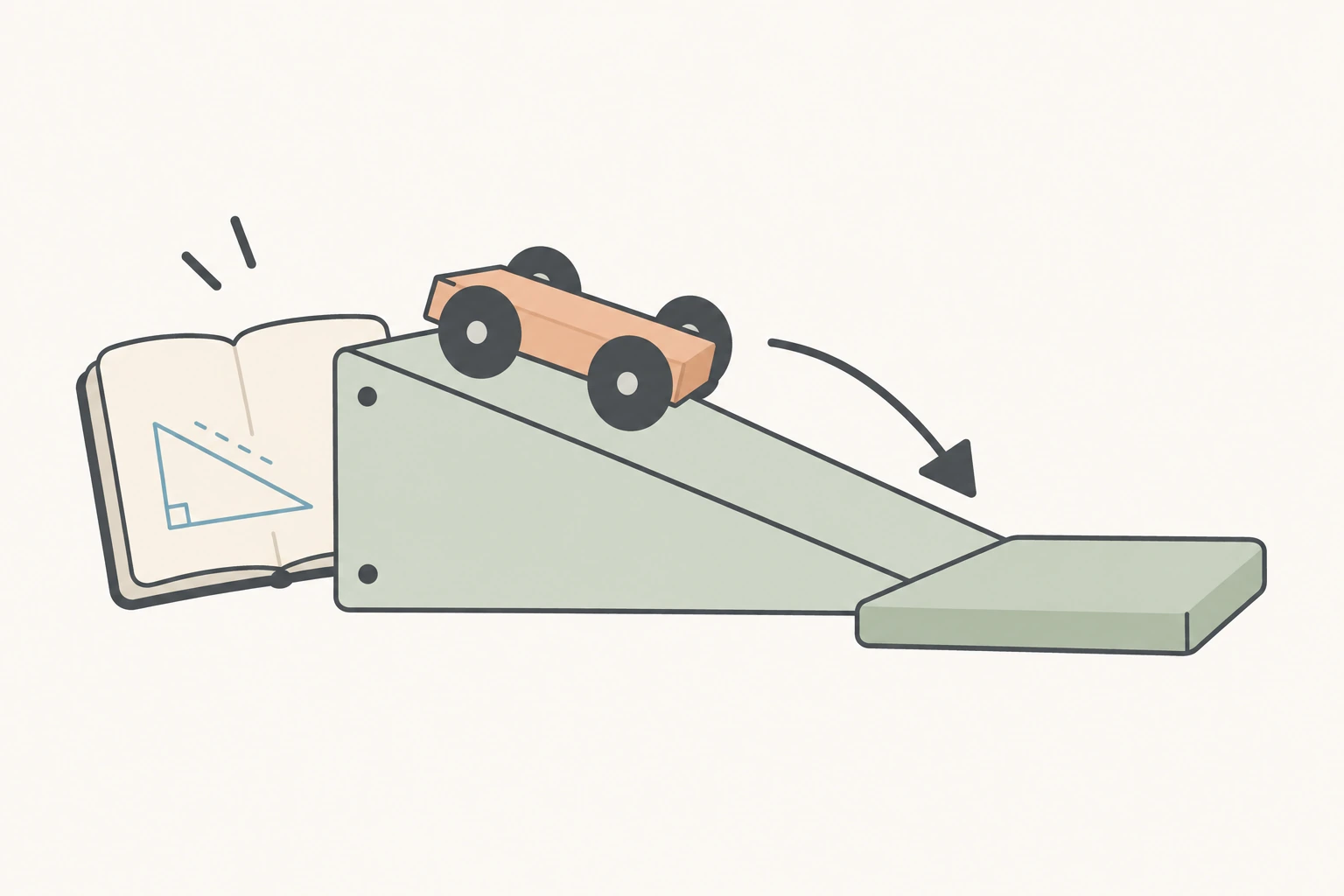
Bring AI into classrooms with confidence.
Review AI tools and agree how they’ll be used before they reach classrooms, so AI stays aligned with your school’s goals and policies.
Choose a clear teaching purpose, decide where AI can help and keep teachers in charge. Use the pilot to check that support strengthens students’ own thinking.
Show what students can do.
Build a portfolio of projects, decisions and progress for college applications and career conversations.
Capture the process as well as the final result. Sketches, feedback and revisions help students explain what they contributed, how their thinking changed and what they would do next.
Start small. Learn together.
Start with a curriculum area you already teach, a small group of educators and a question you want the pilot to answer.

Explore the fit
Discuss your curriculum, participating educators, configuration and logistics. Agree what success would look like before the pilot starts.
Prepare your educators
Help teachers set up their first project. We provide practical support with project design and using AI to help students think for themselves.
Learn through the pilot
Meet regularly with the founder to review what is helping, resolve difficulties and adapt support.
Review and decide
Look together at curriculum progress, student and teacher experience, workload and safeguards.
A responsible start, agreed together.
Before students take part, agree what data is needed, who can access it, retention, safeguarding responsibilities and accessibility.
Confirm that the available capabilities meet your school’s requirements.
Educators retain authority over consequential decisions.
Public project stories require appropriate permissions.
Help shape Dwyl.studio.
Dwyl.studio is still being built. We want educators and school leaders to help shape the decisions while they can still change.
What would make ambitious project learning easier to lead? Which challenges would stretch your students? What would you need to see in a report to know how to help?
If those questions matter to you too, we would value your perspective.
Early access is an invitation to contribute. It is not a promise of immediate access to a finished platform or proven classroom outcomes.