
Run ambitious projects without losing the thread.
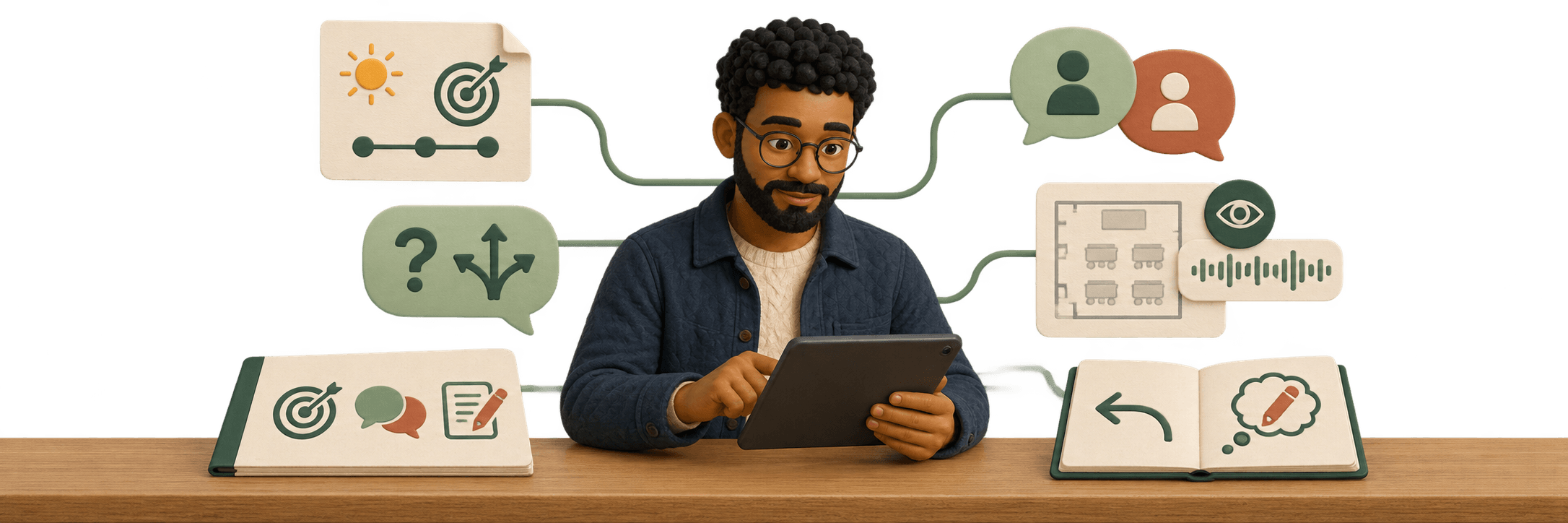
Spend less time assembling context and more time moving learning forward. Bring project planning, classroom guidance and assessment evidence into one connected workspace.

Keep the context. Lose the repeated work.
Spend less time gathering evidence across tools and explaining the same classroom context to AI. Bring your learning goals, class context, project work and observations into one connected workspace—so each next step builds on what is already there.
Learning journeys that grow with each student.
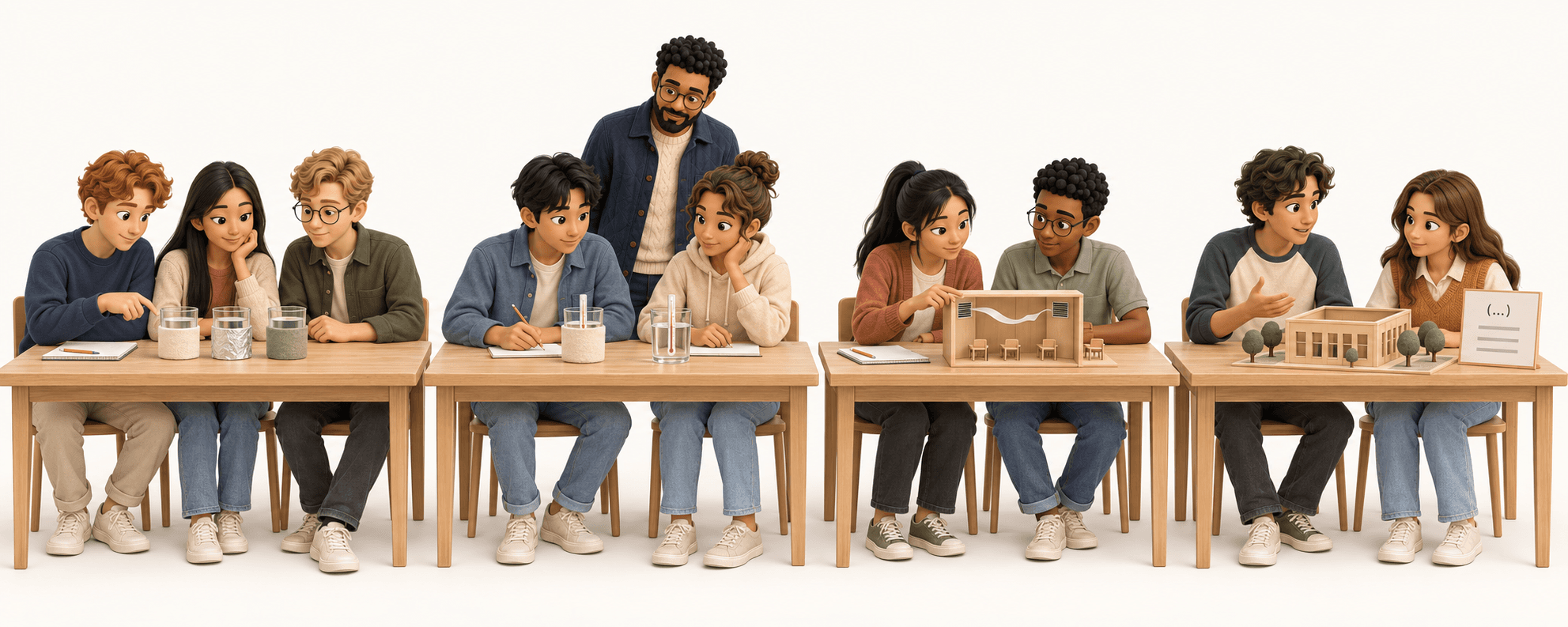
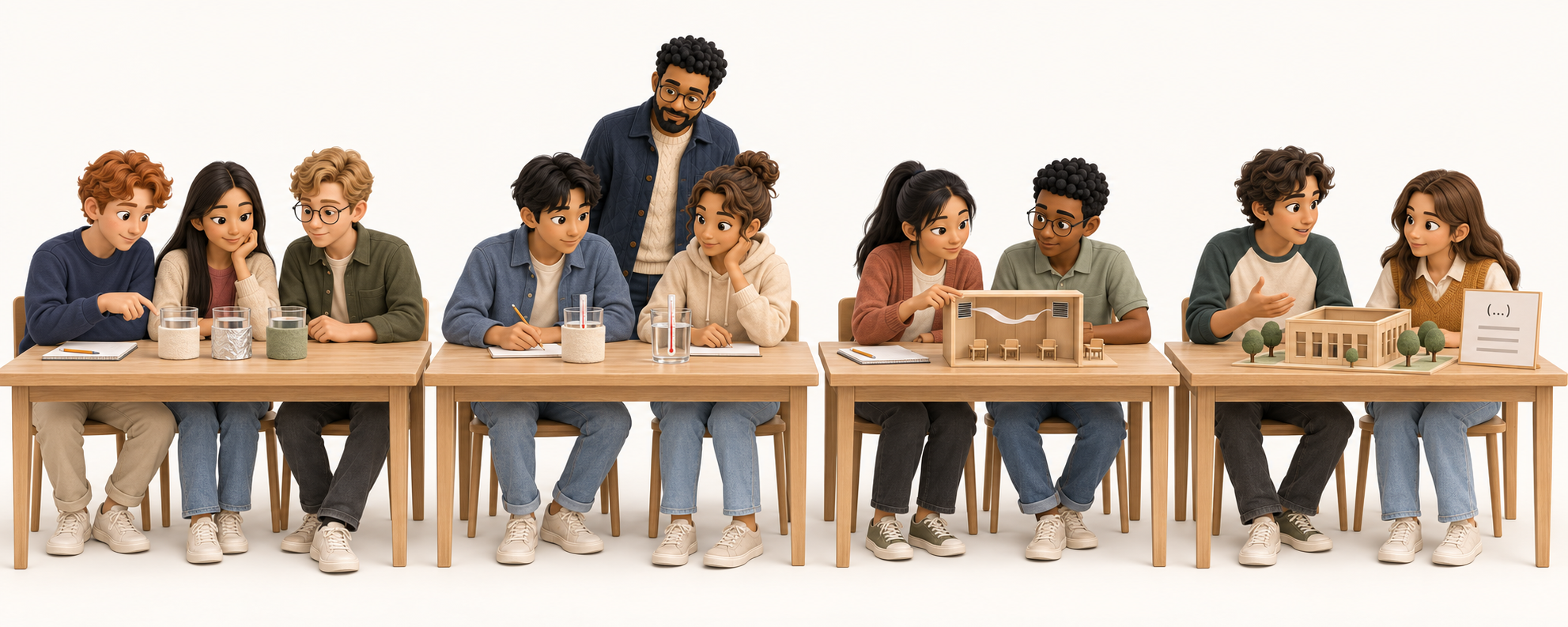
Your students don’t all need the same next step. Dwyl helps you use their developing knowledge and competencies to shape learning experiences with the right support and challenge. While you work with one group, others can keep exploring, practising and extending their understanding.
Heat transfer
Compare insulation
Fair testing
Change one variable
Ventilation
Explore airflow
Explanation
Present a recommendation
Turn your goals into a project you can teach.
Start with each student’s learning goals and current understanding. Dwyl helps tailor the project to each individual: roles that fit their development needs, and content matched to their abilities. You shape what belongs.

Learning goals
for every student
- Heat transfer
- Fair testing
- Insulation
AI proposes
Cooler classroom
- Brief
- Design a cooler classroom
- Resources + mock data
- Material guides · Sample temperature records
- Roles + tasks
- Test planner · Observer · Evidence reviewer
- Milestones + delivery
- Planning · Testing · Model
- AI agents
- School caretaker · Architect
- Rubric
- Understanding · Reasoning · Collaboration · Reflection
A clearer view of what needs your attention.
Dwyl suggests where support or challenge could help. You decide when to guide the class, check in with a group, or give students room to work it out.
Observation

Many groups are changing both material and container size during their test. It may be worth revisiting the concept of a fair test.
Suggested actions
Change the conditions. Challenge their thinking.
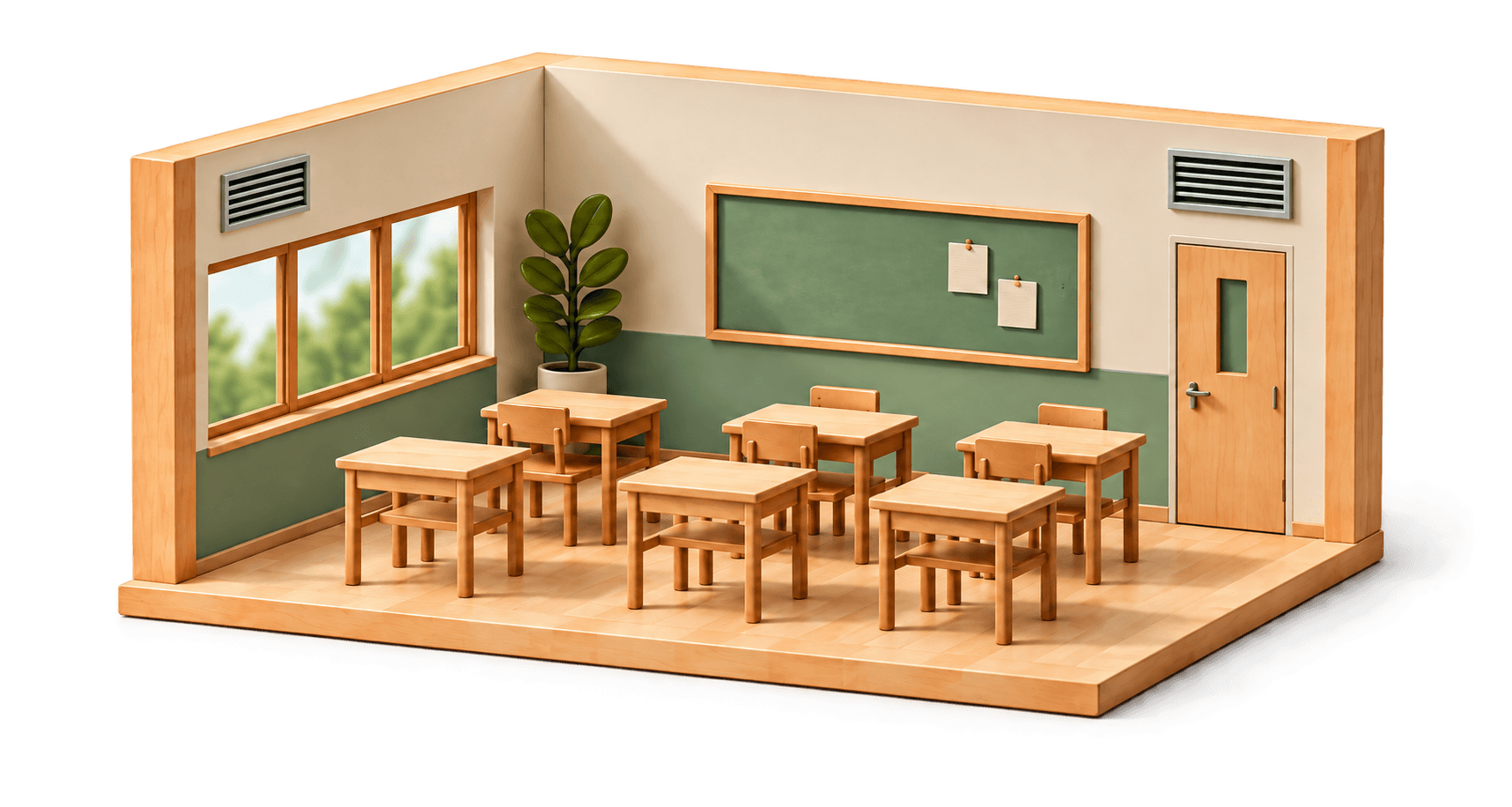
Introduce AI-supported simulations that bring a new constraint, question or perspective into the project. Choose the challenge, adapt the brief and decide when to introduce it. Students work out how to respond.

The budget is halved
Your budget is cut in half. Decide what to prioritise and adapt your proposal.

A new stakeholder joins
Someone new brings different needs. Explore their perspective and reconsider your design.

A material becomes unavailable
A material you planned to use is no longer available. Investigate alternatives and explain the trade-offs.

More extreme weather
Climate change brings more extreme weather. Test how your design could respond.

A new innovation arrives
A new innovation reaches the market. Explore whether it could improve your solution.
Bring your own observations into the judgment.
Recorded work can miss what you saw and heard. Inspect the evidence behind an interpretation and what remains uncertain. Add classroom context and correct the interpretation before deciding what it means.
Use the work and observations gathered along the way to inform assessment and reporting, without rebuilding the project’s story from scratch.
AI suggestion
Eileen may need help identifying variables.
Her written plan does not name the changed variable or the controls.
What you saw and heard
Eileen identified insulation as the variable to change. She chose matching cups, equal water volumes and the same starting temperature, and explained why these must stay constant.
Teacher observation · Classroom discussion
Your revised judgment
Variable selection demonstrated in class.
The written plan still needs those variables and controls.
Support suggestion overridden by teacher


Set the boundaries. Give learning room.
Your school sets the foundations. You shape each project and make the final assessment decisions.
Dwyl can guide the next step without asking you to approve every hint.
School · Shared foundations
Curriculum, textbooks, support level and tutor guardrails.
Dwyl guides within these boundaries.
Project · Teacher-shaped
Learning goals, milestones, roles and AI-agent behaviour.
Dwyl suggests. You adapt and approve.
Individual · Teacher-decided
Evidence, rubric criteria and final assessment.
Dwyl collects. You decide what stands.

Help shape Dwyl.studio.
Dwyl.studio is still being built. We want educators and school leaders to help shape the decisions while they can still change.
What would make ambitious project learning easier to lead? Which challenges would stretch your students? What would you need to see in a report to know how to help?
If those questions matter to you too, we would value your perspective.
Early access is an invitation to contribute. It is not a promise of immediate access to a finished platform or proven classroom outcomes.