Research and practical ideas for real-world learning.

Evidence-aware essays for educators asking what meaningful project work and responsible, teacher-led AI can look like.

Start with real-world learning

Six essays. Free to read, with no email or account.

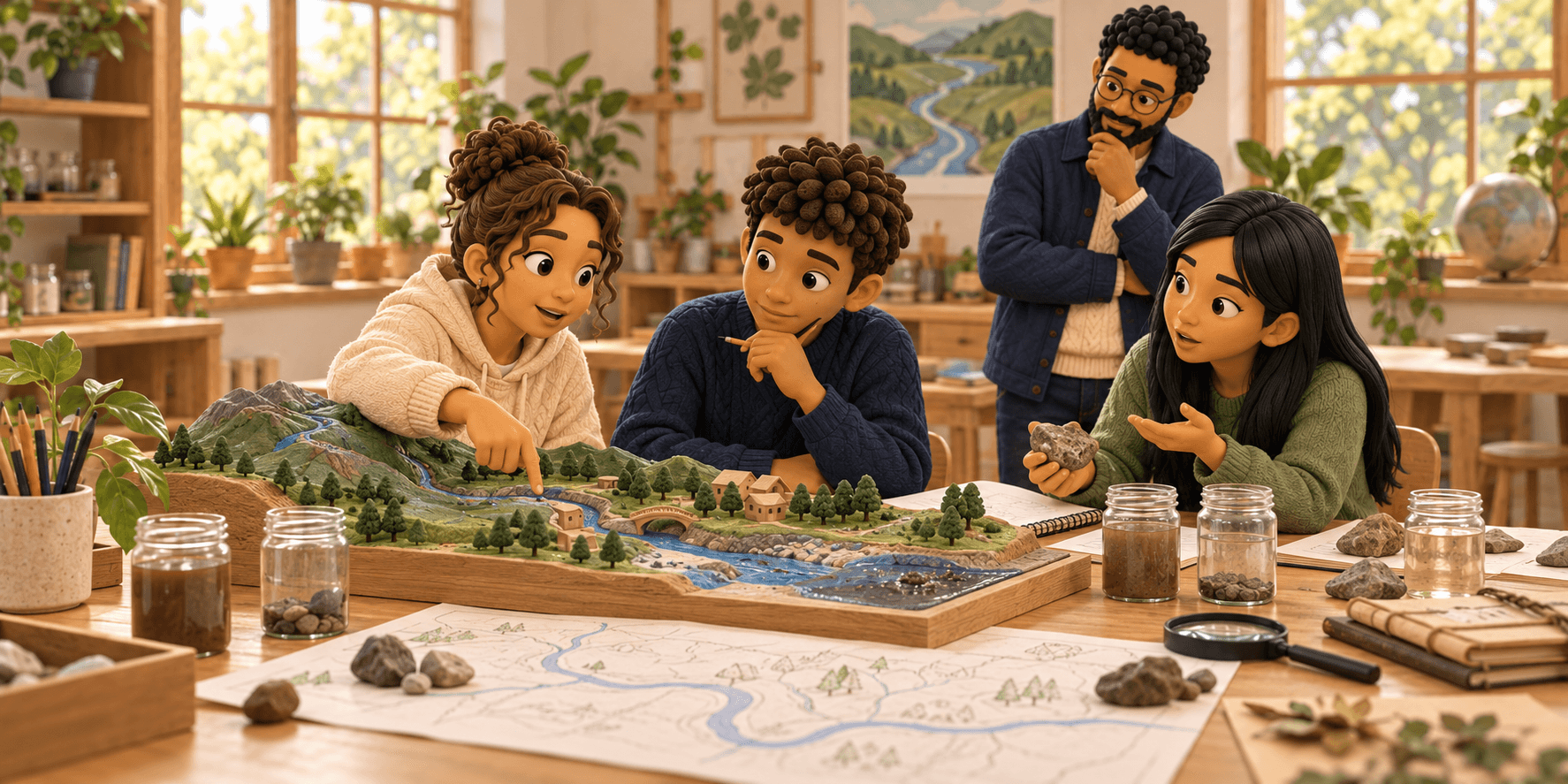
Clay illustration of students and educators discussing several handmade projects in a gallery.

Explore six connected educator questions.

Start with the question closest to your work, or read in order: from meaningful work and educator judgment, through project experiences students can practise and evidence of growth, to responsible AI boundaries. Written by Marc Tjoe Fat.

  1. Real-world learning in the AI era

    Why does real-world learning matter when AI can generate plausible output?

    Explore why meaningful projects, student agency, reflection, and teacher guidance matter when AI can produce answers quickly.

  2. Why meaningful educational AI must remain teacher-led

    Why must meaningful educational AI remain teacher-led?

    Learn how teacher judgment, review, recourse, and transparent limits can keep educational AI focused on deeper learning.

  3. Designing project experiences around future-ready skills

    How can educators design opportunities to practise future-ready skills?

    Use competency and project-design frameworks to plan practice, reflection, and observation without claiming that projects cause skill development.

  4. Personalization without more isolated screen time

    Can learning be personalized without more isolated screen time?

    Explore personalization through context, choice, scaffolding, feedback, and collaboration—not more isolated time on a screen.

  5. Making growth visible without reductive metrics

    How can growth become visible without reductive metrics?

    Use work-in-progress evidence, reflection, feedback, and teacher interpretation to understand student growth across a project.

  6. Responsible AI for project-based learning

    What does responsible AI use look like during projects?

    Set responsible AI boundaries for project purpose, student thinking, teacher oversight, privacy, transparency, evidence, and recourse.

Useful before promotional.

We distinguish research findings, policy guidance, practitioner frameworks, Dwyl philosophy, and current product direction. Sources and limitations stay visible, and every article remains available without an email or account.

  • Research findingWhat a study or synthesis reports, stated with its limits.
  • Policy guidanceWhat public bodies recommend. It is not proof of effect.
  • Practitioner frameworkA planning vocabulary from practice, not causal evidence.
  • Dwyl philosophyOur own point of view, labelled as a belief.
  • Product directionWhat we are building toward, not a claim of availability.
Source review
Original or authoritative sources are checked before publication.
Authorship
Marc Tjoe Fat, accountable for claims and updates.
Dates
Publication and update dates are shown with each article.
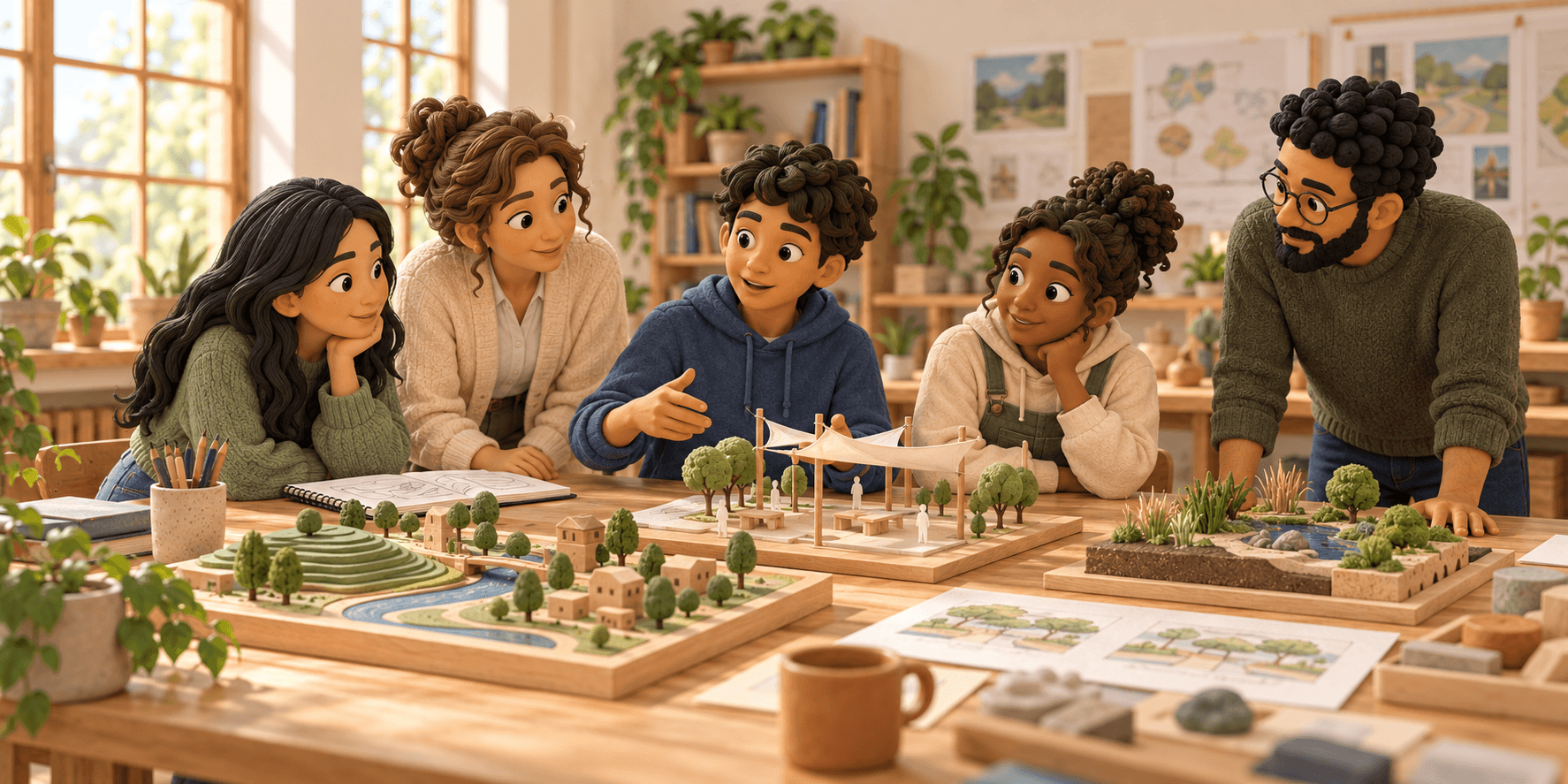
Educators shaping a project together around a table

Help shape Dwyl.studio.

Dwyl.studio is still being built. We want educators and school leaders to help shape the decisions while they can still change.

What would make ambitious project learning easier to lead? Which challenges would stretch your students? What would you need to see in a report to know how to help?

If those questions matter to you too, we would value your perspective.

Early access is an invitation to contribute. It is not a promise of immediate access to a finished platform or proven classroom outcomes.

Building with educators

Join educator early access

Help shape Dwyl.studio while we build a teacher-first workspace for real-world projects.

We use these details only to respond to your interest. Read our privacy information.